Summer at MUNER continues with FAIM 2026: advanced training for the future of intelligent mobility
Every summer, MUNER welcomes students from around the world through a portfolio of international Summer Schools designed for different stages of the academic journey. From high-school students discovering engineering for the first time to Master’s students, PhD candidates and researchers deepening their expertise, each programme is tailored to a specific audience while sharing the same goal: connecting education with the excellence of the Motor Valley.
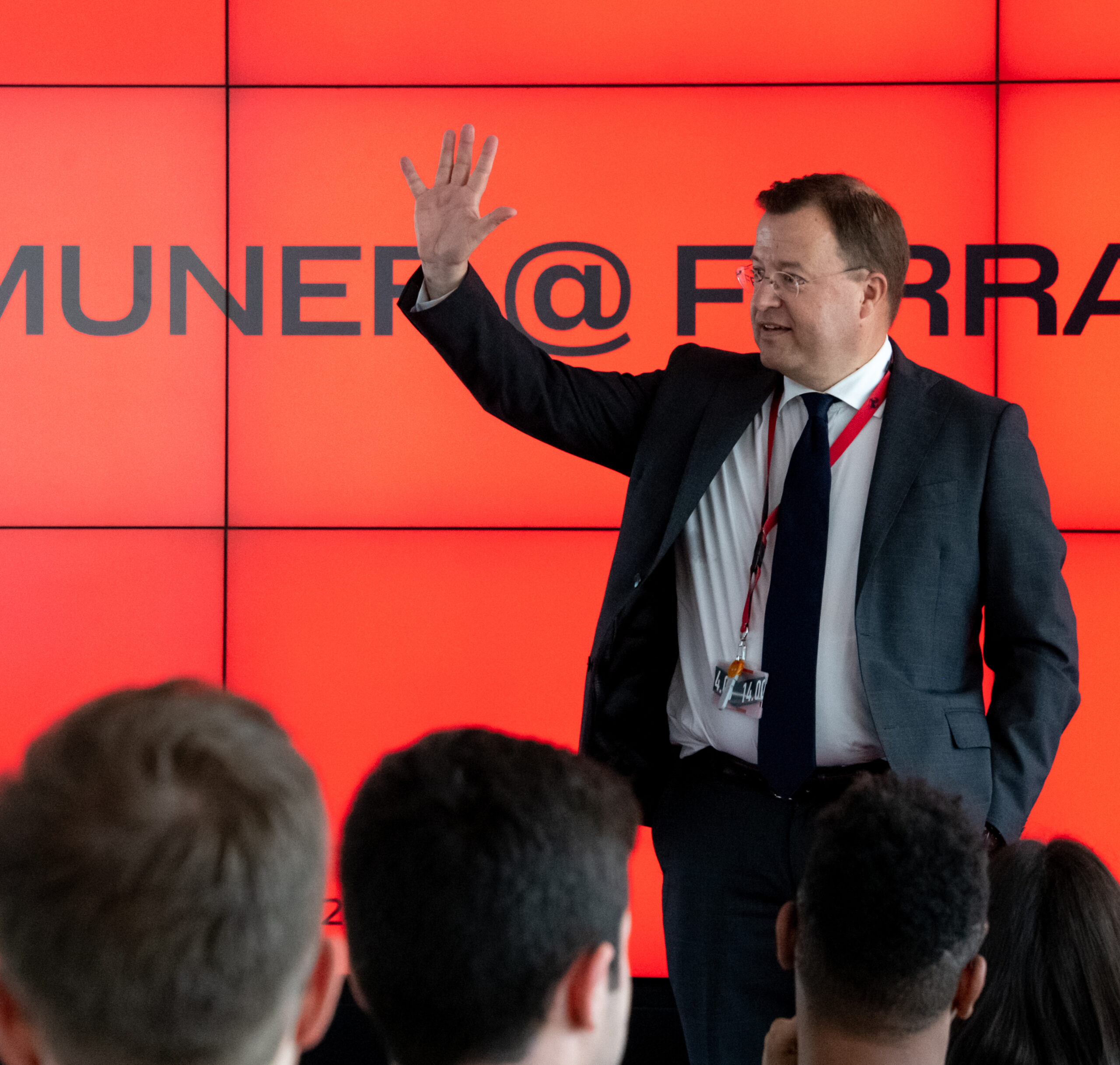
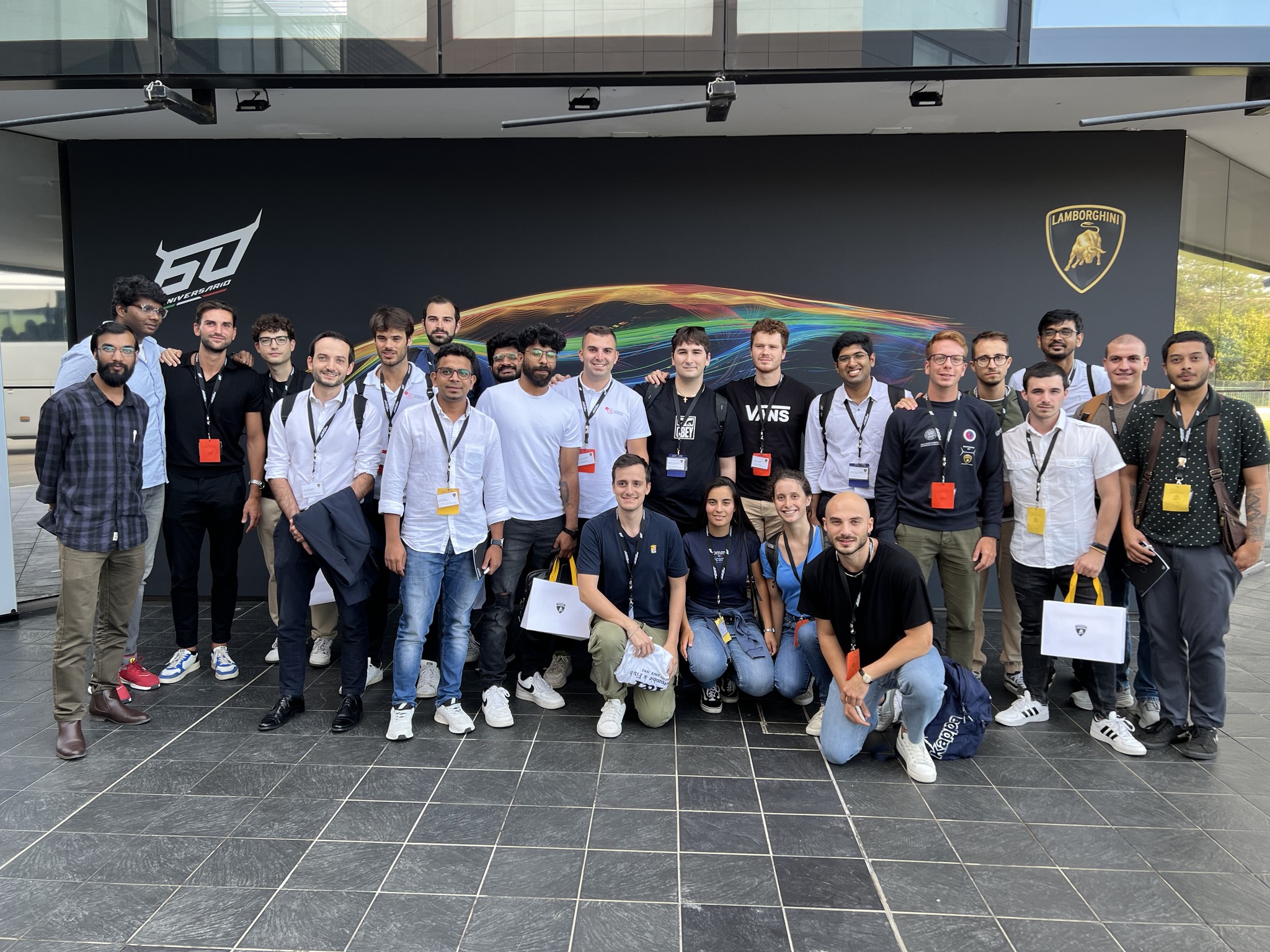
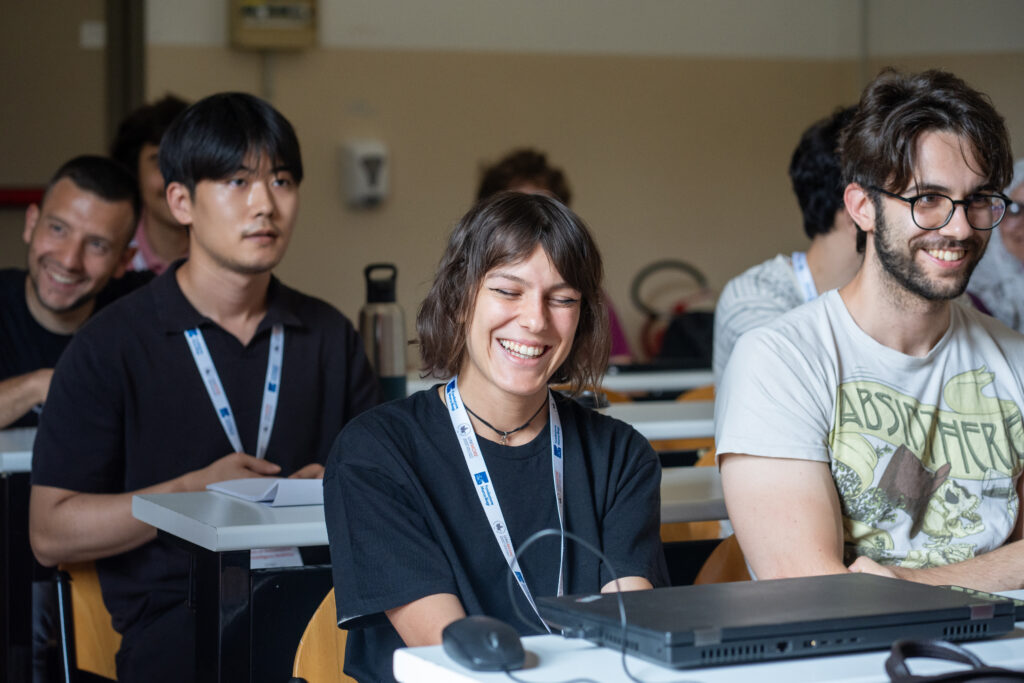
This week, the 2026 edition of Future of Automotive for Intelligent Mobility (FAIM) officially got underway at the University of Bologna‘s Department of Industrial Engineering, welcoming a selected group of Master’s students, PhD candidates and researchers.
Designed for participants with a strong academic background in engineering, FAIM offers two weeks of advanced training focused on the technologies redefining the automotive sector. The programme combines around 60 hours of lectures with practical activities, company experiences and opportunities to engage directly with both academic experts and industry professionals.
Participants will explore topics including advanced materials, smart manufacturing, sustainable powertrains, sensors and connectivity, power electronics, artificial intelligence, autonomous driving and fleet management. By bringing together expertise from different disciplines, FAIM reflects the increasingly integrated nature of mobility engineering and prepares participants to address the challenges of tomorrow.
Hosted in the heart of Italy’s Motor Valley, the Summer School provides not only advanced technical knowledge but also an international environment where participants can exchange ideas, expand their professional network and engage with one of the world’s leading automotive ecosystems.
FAIM is part of the MUSE – Motorvehicle University Skills Empowerment project, organised by MUNER in collaboration with the University of Bologna, the University of Modena and Reggio Emilia and Fondazione Marco Biagi, and co-funded by the Emilia-Romagna Region and the European Union through the FSE+ 2021–2027 programme.
Other News